Scientific Publications
Scientific publications, articles, books
- BREWER, M., FET, V., FET, E.V., REIN, J.O. & M.COLOMBO. 2005. The Balkan and Aegaean Euscorpius (Scorpiones, Euscorpiidae): new data for mithocondrial DNA phylogeny. American Arachnology, 72: 14. (http://www.americanarachnology.org/MeetingAbstracts/AAS_2005_abstracts.html)
- CALA-RIQUELME, F. & M. COLOMBO. 2008. Ecology of populations of Microtityus (Scorpiones, Buthidae) present in the Sierra De Canastas, Eastern Cuba. Poster at the Convencion Tropico 2008, 16-20 June 2008, Cuba.
- COLOMBO, M. 2003. Alla scoperta del combattente dei boschi: il cervo volante. Reptilia, 1: 80-81.
- COLOMBO, M. 2004. Lycosa tarentula e Hogna radiata in Sardegna nord-occidentale: descrizione, biologia, allevamento. Reptilia, 1: 50-58.
- COLOMBO, M. 2006. New data on distribution and ecology of seven species of Euscorpius Thorell, 1876 (Scorpiones: Euscorpiidae). Euscorpius 36: 1-40. (http://www.science.marshall.edu/fet/euscorpius/p2006_36.pdf)
- COLOMBO, M. 2009. On two syntopic species of Euscorpius Thorell, 1876 (Scorpiones: Euscorpiidae) in and nearby San Marco fortress (Veneto, Italy): a preliminary investigation. Euscorpius, 87: 1-14. (http://www.science.marshall.edu/fet/euscorpius/p2009_87.pdf)
- COLOMBO, M. & D. BRANGI. 2009. Un cavalluccio di corallo. Il Subacqueo, 437: 133. [Hippocampus guttulatus]
- COLOMBO, M. & D. BRANGI. 2010. A cavallo tra il rosso e il rosa. Sub, 294: 36-37. [Hippocampus guttulatus]
- COLOMBO, M. & G. COLOMBO. 2008. Una spada nel cuore. Pesca in Mare, 24 (2): 32-33. [Xiphias gladius]
- COLOMBO, M. & B. MANUNZA. 2009. First record of Cyrtarachne ixoides (Simon, 1870) (Araneae: Araneidae) from Sardinia. Revista Ibérica de Aracnologìa, 17: 67-70.
- COLOMBO, M., MANUNZA, B. & S. COLOMO. 2008. La fauna della Sardegna volume 15: invertebrati terrestri. Archivio Fotografico Sardo editore, Nuoro, 237 pp.
- COLOMBO, M., MANUNZA, B. & S. COLOMO. 2008. La fauna della Sardegna volume 16: invertebrati marini. Archivio Fotografico Sardo editore, Nuoro, 237 pp.
- MANUNZA, B. & M. COLOMBO. 2009. In attesa di sbucare. La Rivista della Natura, 11 (3): 67-71. (http://www.edinat.it/pdf/ragno.pdf) [Cteniza sauvagesi]
- COLOMBO, M. & B. MANUNZA. 2011. Uno strano tipo. La Rivista della Natura, 13 (2): 15. [Cyrtarachne ixoides]
- COLOMBO, M. 2011. Il diavolo mediterraneo. Sub, 307: 72-74. [Mobula mobular]
- COLOMBO, M. 2011. On Fabre’s traces: an important contributor to the knowledge of Buthus occitanus (Amoreux, 1789). Euscorpius, 117: 1-10. (http://www.science.marshall.edu/fet/euscorpius/p2011_117.pdf)
- COLOMBO, M. & B. MANUNZA. 2012. Risveglio nel blu. La Rivista della Natura, 14 (3): 38-44. [underwater caves]
- COLOMBO, M. 2012. Mediterranean marvels. Anima Mundi, 7: 76-97. [portfolio] (https://animamundimag.com/portfolio-items/issue-7/)
- CONFALONE, D. 2012. Microcosmi – Tutor del mese: Marco Colombo. Fotocult, 90: 36-43.
- LA SORDA, U. & C. SCHETTINI. 2012. Fotonaturalisti: Marco Colombo. Studium Naturae, 1: 26-27.
- MINAZZI, S. 2012. Quanta poesia in una biscia sulla riva di un ruscello (intervista a Marco Colombo). Lombardia Oggi, 77: 20-21.
- COLOMBO, M. & M. DI NICOLA. 2012. Quando la vipera non ha lo zigzag. Piemonte Parchi, 221: 26-27. [Vipera aspis atra var. concolor]
- MINAZZI, S. 2013. Il personaggio: 15 domande a…Marco Colombo. Lombardia Oggi, 6: 4.
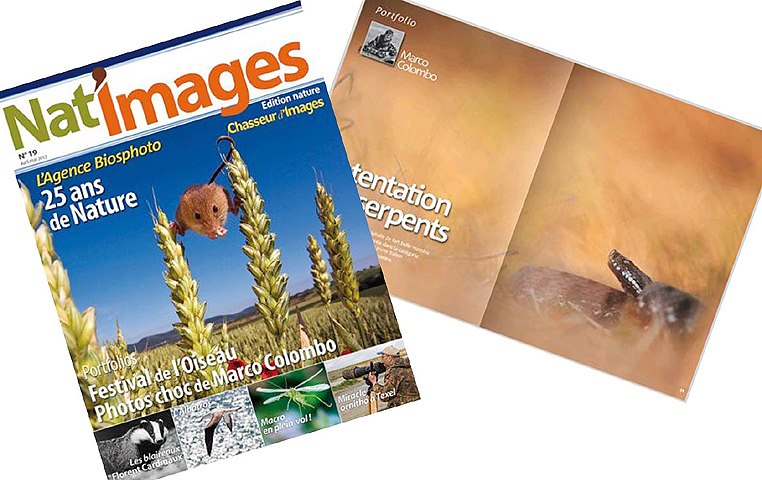
- HETTE, S. 2013. Portfolio: Marco Colombo, la tentation des serpents. Nat’Images, 19: 88-99.
- COLOMBO, M. & B. MANUNZA. 2013. Malacophagy in Cteniza sauvagesi (Rossi, 1788) (Araneae: Ctenizidae). Revista Ibérica de Aracnologia, 22: 99-101.
- COLOMBO, M. & M. DI NICOLA. 2013. Passione a sangue freddo. Asferico, 14-21. [Italian reptiles in their natural environments]
- COLOMBO, M. 2013. Chalcides ocellatus (Ocellated Skink), spider predation. Herpetological Review, 44(2): 320-321.
- COLOMBO, M. & J. LANGENECK. 2013. The importance of underwater photography in detecting cryptobenthic species: new in situ records of some gobies (Teleostei: Gobiidae) from Italian Seas with ecological notes. Acta Adriatica, 54(1): 101-110. (http://jadran.izor.hr/acta/pdf/54_1_pdf/54_1_8.pdf)
- ARGENTIERO, C., BERTANI, A., BOSIO, R., COLOMBO, M., INTROINI, M. & D. NIGLIA. 2013. Varese, una provincia da amare. I luoghi, la storia, gli sguardi. Punto Marte ed., 144 pp.
- COLOMBO, M. & M. DI NICOLA. 2014. Paludi e squame – Rettili e anfibi d’Italia. PuntoMarte Editore, Archivio Fotografico Italiano, 112 pp.
- COLOMBO, M. 2014. Vipere d’Italia. Passione funghi e tartufi, 39: 50-57. [Italian vipers]
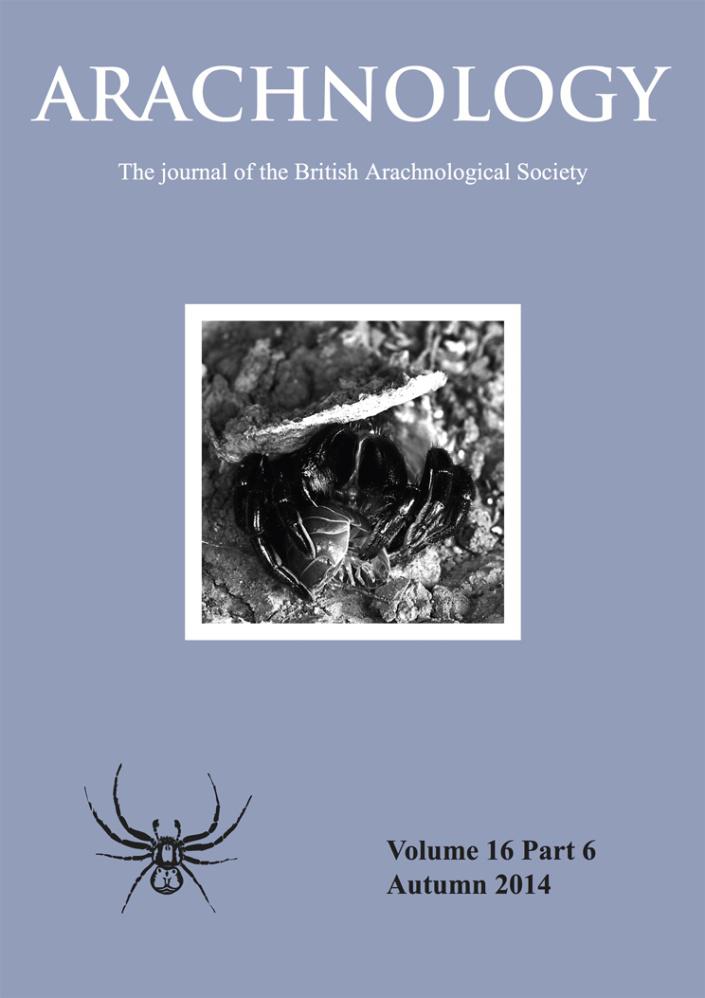
- DECAE, A., COLOMBO, M. & B. MANUNZA. 2014. Species diversity in the supposedly monotypic genus Amblyocarenum Simon, 1892, with the description of a new species from Sardinia (Araneae, Mygalomorphae, Cyrtaucheniidae). Arachnology, 16 (6): 228-240 [Amblyocarenum nuragicus].
- MACIOCE, A. & M. COLOMBO. 2015. L’ora del lupo. Asferico, 48: 20-27. [Canis lupus italicus]
- BOSMANS, R. & M. COLOMBO. 2015. New spiders species from Sardinia (Araneae) with ecological notes on Lipocrea epeirodes (O.Pickard-Cambridge, 1872) (Araneae: Araneidae). Arachnology, 16(9): 319-332.
- COLOMBO, M. & P. FORMIS. 2016. Ancient Animals: the Lampreys. Ocean Geographic, 36: 62-66.
- COLOMBO, M. 2016. I tesori del fiume. Pubblinova Negri Edizioni, 144 pp.
- COLOMBO, M., FORMIS, P. & K. WUNDERLICH. 2016. Neun augen, zwei leben. Unterwasser, 5/16: 70-75. [Petromyzon marinus]
- COLOMBO, M. & P. FORMIS. 2017. La strana vita della lampreda. SUB, 376: 56-59. [Petromyzon marinus]
- COLOMBO, M. & P. FORMIS. 2017. Urseitliche Wasserwesen in Italien: Neunaugen. Naturfoto, 3: 24-31. [Petromyzon marinus]
- COLOMBO, M. 2017. Le cerf-volant et l’arbre de vie. Nat’Images, 46: 92-97. [Lucanus cervus]
- COLOMBO, M. 2017. I misteri dell’arcobaleno. Pesca in Mare, 12: 66-69. [Coryphaena hippurus]
- COLOMBO, M. 2017. River treasures: freshwater life in Italy – 河流宝藏:意大利的淡水生物. EZDIVE, 69: 80-88.
- COLOMBO, M. & M. DI NICOLA. 2017. Down in the funnel: reconfirming Stegodyphus lineatus (Latreille, 1817) (Araneae: Eresidae) presence in Sicily, with lizard-interaction and ecological notes. Revista Ibérica de Aracnologìa, 30: 117-120.
- COLOMBO, M. 2017. Tesori e fiumi. Asferico, 56: 26-35.
- COLOMBO, M. & P. FORMIS. 2018. Un vampiro in mezzo al mare. Pesca in Mare, 1: 60-62.[Petromyzon marinus]
- COLOMBO, M. 2018. Schätze im Süsswasser. Unterwasser, 2/18: 76-82.
- COLOMBO, M. 2018. Un gigante per amico. Pesca in Mare, 5: 60-63. [cetaceans]
- COLOMBO, M. 2018. Fotografia naturalistica e mammiferi in Italia: problematiche, accorgimenti e prospettive. In: FAZZI, P. & E.MORI (a cura di). 2018. Mammiferi italiani, istruzioni per l’uso. Edizioni Belvedere, 68 pp.
- RAHWAN, D. & M. COLOMBO. 2018. Gli amici del bosco. Focus Wild, 85: 62-65.
- COLOMBO, M. 2018. Wild caves: underwater Sardinian marvels – 野外洞穴:撒丁島的水下奇蹟. EZDIVE, 74: 66-73.
- COLOMBO, M. 2019. Dieci luoghi da salvare. Focus Wild, 92: 20-27.
- TIRALONGO, F., RUSSO, F. & M.COLOMBO. 2019. From scuba diving to social networks: A curious association between two small fish species, Lepadogaster candolii Risso, 1810 and Parablennius rouxi (Cocco, 1833), and Muraena helena (Linnaeus, 1758) coming from citizen science. Regional Studies in Marine Science, 29: 1-4.
- ZARAGOZA, J.A., LATINI, R., MONACO, A. & M.COLOMBO. 2019. First record of phoresy on the genus Rosalia (Coleoptera: Cerambycidae) by a pseudoscorpion (Arachnida: Pseudoscorpiones). Revista Ibérica de Aracnologia, 34: 141-142.
- COLOMBO, M. 2019. L’image du mois: ècrevisse d’eau douce bleu. Nat’Images, 56: 6-7. [Austropotamobius pallipes blue mutation]
- COLOMBO, M. 2019. Cos’è quel muso lungo? I cavallucci marini. Focus Wild, 98: 48-53. [seahorses]
- COLOMBO, M. 2019. La voragine del drago. BioPhoto Magazine, 3: 28-29. [olm Proteus anguinus]
- COLOMBO, M. 2019. A light in the dark: Orcatorch D910V review. Scubashooters, 46: 26-37.
- COLOMBO, M. 2019. Colourful freedivers: newts and salamanders – 絢麗自潛者:水螈和蠑螈. EZDIVE, 80: 52-57.
- COLOMBO, M. 2019. Il fascino del rosso. Focus Wild, 101: 36-43. [Vulpes vulpes]
- COLOMBO, M. 2019. River treasures. X-Ray Magazine, 94: 57-62.
- COLOMBO, M. 2019. Paesaggi bestiali. Pubblinova Negri Editore, 104 pp.
- COLOMBO, M. 2019. Il signore del freddo. Focus Wild, 102: 38-44. [owls]
- COLOMBO, M. & E. MORI. 2020. The “corpse bride” strikes again: first report of the Davian behaviour in the Eurasian badger. Mammalia, 84(4): 372-376.
- COLOMBO, M. 2020. Il super atleta. Focus Wild, 103: 16-23. [kangaroos]
- COLOMBO, M. 2020. Non chiamateci topi! Focus Wild, 104: 38-43. [coypu]
- COLOMBO, M. 2020. Quanti cinghiali! Focus Wild, 106: 38-43. [wild boars]
- COLOMBO, M. 2020. Voi a casa, noi fuori! Focus Wild, 107: 20-27. [animals in the city and coronavirus lockdown]
- COLOMBO, M. 2020. Farfamondo. Focus Wild, 107: 38-45. [butterflies and moths]
- COLOMBO, M. 2020. Paesaggi bestiali. Asferico, 63: 24-31.
- COLOMBO, M. 2020. Jewels in the dark: fluorescence of Icius hamatus (C.L.Koch, 1846) (Araneae: Salticidae) under UV blacklight at night. Revista Ibérica de Aracnologia, 36: 137-140.
- COLOMBO, M. 2020. Il mare chiede aiuto. Focus Wild, 110: 12-19. [saving our seas]
- MANUNZA, B., COLOMBO, M. & F. CROCETTA. 2020. Ontogeny of an arlequin: morphological and colour pattern changes from juvenile to adult in Gnathophyllum elegans (Risso, 1816) (Decapoda: Palaemonidae), traced through citizen science and social media data mining. Zootaxa, 4881 (3): 597-600.
- DI NICOLA, M.R., COLOMBO, M., MANICA, M., IVERSEN, D.L.N., SPADA, M. & LADDAGA, L. 2020. Nuove osservazioni di Coronella girondica (Daudin, 1803) (Serpentes, Colubridae) per la Lombardia settentrionale nelle Province di Varese e Brescia (Italia). Rivista del Museo Civico di Scienze Naturali “Enrico Caffi”, Bergamo, 33: 9-14.
- COLOMBO, M. 2020. Sono tutto orecchi. Focus Wild, 114: 40-45. [bat-eared fox]
- COLOMBO, M. 2021. I giganti nordamericani. Focus Wild, 115: 20-26. [bison]
- COLOMBO, M. 2021. Un po’ di sollievo. Focus Wild, 117: 12-19. [grooming]
- COLOMBO, M. 2021. Il fantasma dei boschi. Focus Wild, 117: 34-40. [European wildcat]
- COLOMBO, M. 2021. Colorati e bellissimi. Focus Wild, 118: 26-25. [European bee-eater, hoopoe, European kingfisher and European roller]
- COLOMBO, M. 2021. La scomposizione fotografica della libellula. La Rivista della Natura, 1:12-13. [dragonflies]
- COLOMBO, M. 2021. Creature degli abissi. Focus Wild, 119: 12-19. [deep-sea creatures]
- COLOMBO, M. 2021. Api da scoprire. Focus Wild, 119: 34-39. [bees]
- COLOMBO, M. 2021. Gli arlecchini del mare. Focus Wild, 122: 12-19. [nudibranchs and relatives]
- COLOMBO, M. 2021. E tu chi sei?. Focus Wild, 122: 34-40. [paper nautilus, oarfish, opah and others]
- COLOMBO, M. 2021. Uguali ma diversi. Focus Wild, 123: 12-19. [sexual dimorphism]
- COLOMBO, M. 2021. Electric beauty – 電美人. EZDIVE, 30-35. [electric rays]
- COLOMBO, M. 2021. Il bosco delle maschere – La vita segreta del tasso. Pubblinova Negri Editore, 128 pp.
- COLOMBO, M. 2021. I danzatori del cielo. Focus Wild, 125: 34-40. [starlings]
- COLOMBO, M. 2021. Piccole ma… che carattere! Focus Wild, 126: 24-31. [mongooses]
- COLOMBO, M. 2022. Un inutile trofeo. Focus Wild, 127: 22-29. [trophy hunting]
- COLOMBO, M. 2022. L’essenza del freddo. Focus Wild, 127: 32-39. [arctic wolf]
- COLOMBO, M. 2022. Palchi di velluto. Focus Wild, 128: 22-29. [roe deer]
- COLOMBO, M. 2022. Così simili, così diversi. Focus Wild, 128: 38-51. [convergent evolution]
- COLOMBO, M. 2022. River portfolio. Scubashooters, 58: 72-97. [rivers’ biodiversity]
- MANUNZA, B. & M. COLOMBO. 2022. A newly discovered population of Pachygrapsus maurus (H. Lucas, 1846) in Italy. In: KOUSTENI et al. 2022. New records of rare species in the Mediterranean Sea. Medit. Mar. Sci., 23/3: 416-445.
- COLOMBO, M. 2022. Una maschera nel bosco. Focus Wild, 130: 22-31. [badger]
- COLOMBO, M. 2022. Bestia che genio! Focus Wild, 133: 34-40. [octopus]
- COLOMBO, M. 2022. Viaggio alla scoperta degli animali incredibili. Focus Wild, 134: 12-21. [strangest animals of the world]
- MANUNZA, B. & M. COLOMBO. 2022. First record of ultraviolet fluorescence in the geckos Hemidactylus turcicus and Tarentola mauritanica. Herpetological Bullettin, 160: 39-40.
- BORELLI, C. & M. COLOMBO. 2022. Viaggio nel mondo degli animali incredibili. Mondadori, 96 pp. (drawings by B. Xompero)
- COLOMBO, M. 2022. Arrampicatori bestiali. Focus Wild, 137: 32-40. [climbing animals]
- DI NICOLA, M.R., COLOMBO, M., KASS, G.E.N., PAOLINO, G., STRONG, P.N. & J.L.C.M. DORNE. 2022. Scorpions: Taxonomy, anatomy, medical relevance, venom composition,
- pharmacology, toxicology and clinical management. Encyclopedia of Toxicology 4th Edition, 12 pp.
- COLOMBO, M. 2022. Chi l’ha vista? Focus Wild, 139: 22-29. [lynx]
- DI NICOLA, M.R., COLOMBO, M. & F.RUSSO. 2022. First record of European leaf-toed gecko Euleptes europaea (Squamata, Sphaerodactylidae) in Campania (Italy). Rivista del Museo Civico di Scienze Naturali “Enrico Caffi”, Bergamo, vol. 35: 79-82.
- COLOMBO, M. 2023. Difese incredibili. Focus Wild, 140: 32-39. [animals defense strategies]
- COLOMBO, M. 2023. Uccelli social. Focus Wild, 141: 12-19. [popular birds on Instagram]
- COLOMBO, M. 2023. Gioielli a sei zampe. Focus Wild, 142: 14-21. [beetles]
- COLOMBO, M. 2023. La signora della notte. Focus Wild, 143: 24-29. [genet]
- COLOMBO, M. & F.TOMASINELLI. 2023. 4 itinerari naturalistici in Italia. Focus Wild, 144: 26-30. [hiking in Italy]
- COLOMBO, M. 2023. Vipera o biscia? Focus Wild, 144: 32-40. [vipers]
- COLOMBO, M. & F. TOMASINELLI. 2023. Viaggio nell’Italia selvaggia – Guida alle più belle esperienze naturalistiche. Ricca Editore, 256 pp.
- COLOMBO, M. 2023. Sott’acqua con Alex Mustard. Focus Wild, 146: 12-21.
- COLOMBO, M. 2023. Orca che genio! Focus Wild, 146: 24-31. (killer whales)
- COLOMBO, M. 2023. Che corna! Focus Wild, 147: 24-31. (mouflon)
- COLOMBO, M. 2023. Criceti wild. Focus Wild, 148: 22-29. (hamster)
- COLOMBO, M., D’AMICIS, B. & U.MELLONE. 2023. OUT OF THE BLUE – La foca monaca nel Mediterraneo. Quercuslibris Edizioni, 166 pp. [Mediterranean monk seal]
- COLOMBO, M. 2023. Miriade: la microscopica moltitudine. Pubblinova Negri Edizioni, 144 pp. [springtails]
- COLOMBO, M. & F.TOMASINELLI. 2023. Tentacoli: piccolo catalogo di polpi, seppie e calamari (illustrazioni di G.De Amicis). Nomos Edizioni, 128 pp. [cephalopods: octopuses, cuttlefish and squid]
- COLOMBO, M. 2023. L’apneista dei ghiacci. Focus Wild, 150: 22-29. [Weddell’s seal]
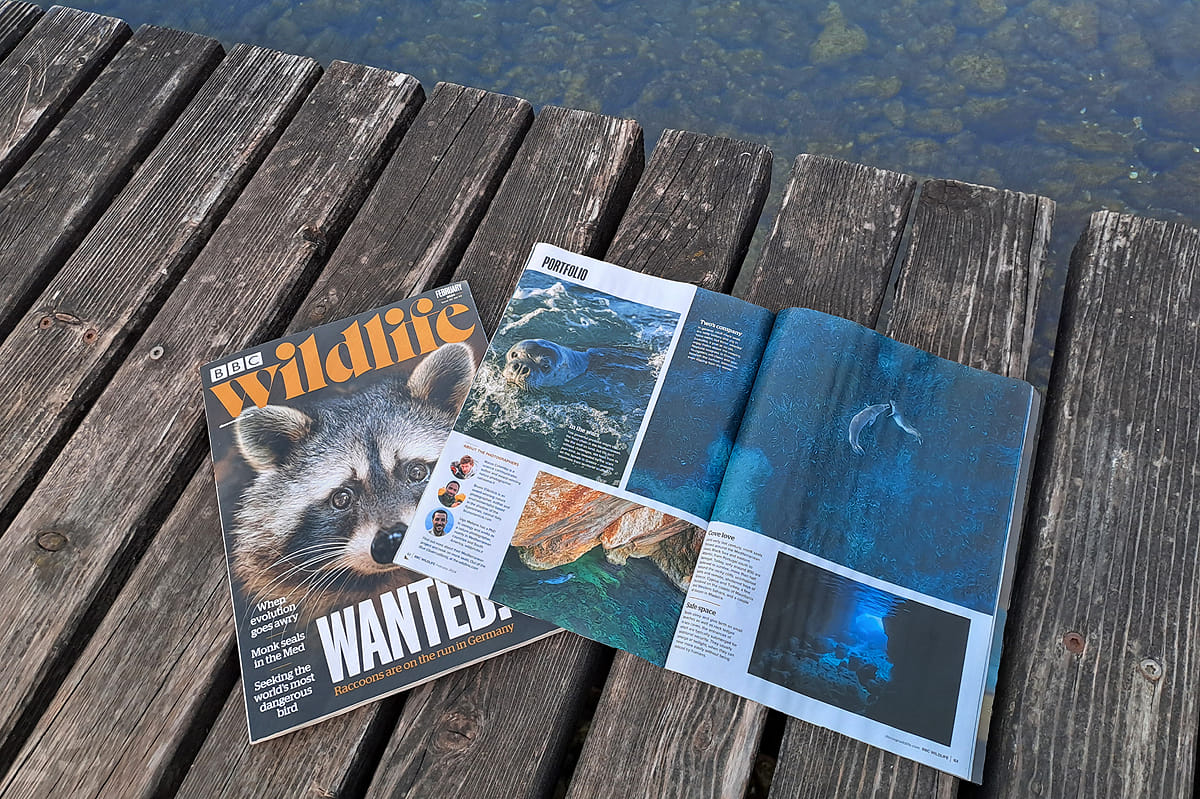
- COLOMBO, M., D’AMICIS, B. & U. MELLONE. 2024. Deep blue wonder. BBC Wildlife, 02(42): 60-69. [Mediterranean monk seal]
- COLOMBO, M. 2024. Il “cane” sui trampoli. Focus Wild, 152: 22-29. [maned wolf]
- COLOMBO, M. 2024. Il più bello della foresta. Focus Wild, 153: 32-29. [clouded leopards]
- COLOMBO, M. 2024. Ritratto di famiglia. Focus Wild, 154: 24-31. [meerkats]
- COLOMBO M. 2024. Gioielli volanti. Focus Wild, 155: 24-31. [colibrì]
- COLOMBO, M. 2024. Stammi alla larga! Focus Wild, 155: 46-53. [mobbing]
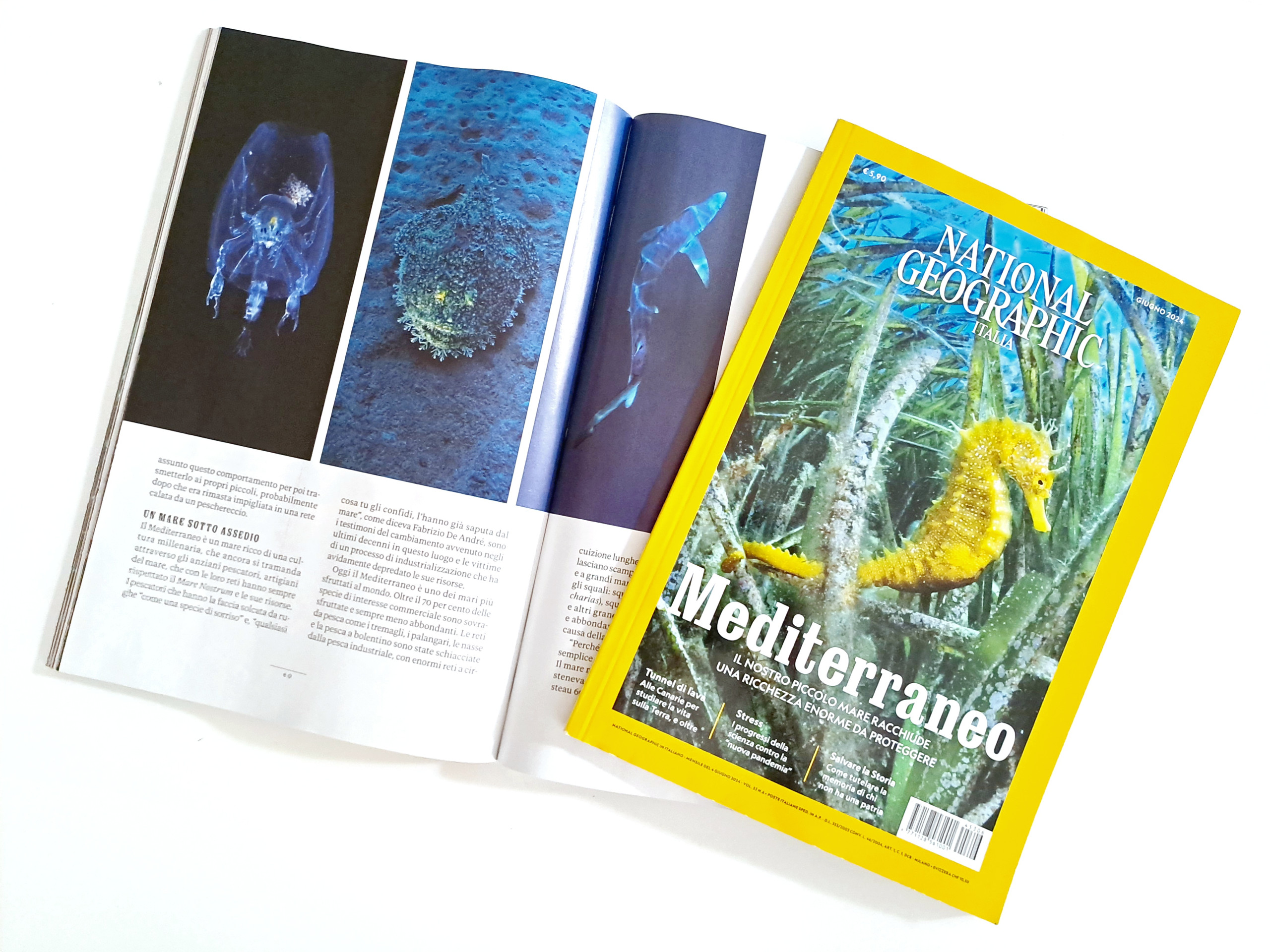
- DANOVARO, R. (testo), COLOMBO, M., D’AMICIS, B. & U. MELLONE (foto). 2024. Oceano Mediterraneo. National Geographic Italia, 53(6): 36-63. [cover story, best edit]
- TOMASINELLI, F. & M.COLOMBO, 2024. I trasformisti. Focus Wild, 156: 12-23. [cefalopodi, con intervista a Craig Foster]
- COLOMBO, M., D’AMICIS, B. & U. MELLONE. 2024. 湛藍中的驚奇 | Deep blue wonder. BBC Knowledge Magazine Asia Edition, 02(42): 60-69. [Mediterranean monk seal]
- COLOMBO, M. & F. TOMASINELLI. 2024. Com’è profondo (e colorato) il mare. Robinson – La Repubblica, 7 luglio 2024, pp. 26-27.
- COLOMBO, M., D’AMICIS, B. & U. MELLONE. 2024. Il ritorno della regina. Focus Wild, 157: 2-9.
- COLOMBO, M. 2024. Mistero mediterraneo. Focus Wild, 157: 32-40.
- COLOMBO, M. & P. DI POMPEO. 2024. Taking care about future: evidence of mate guarding behaviour in Synema globosum (Araneae: Thomisidae). Revista Iberica de Aracnologia, 44: 124-126.
- COLOMBO, M. 2024. Viaggiatori degli oceani. Focus Wild, 158: 28-35.
COLOMBO, M. 2024. Sono una star. Focus Wild, 159: 22-29. [capibara]
COLOMBO, M. & F.TOMASINELLI. 2024. Chele: piccolo catalogo di granchi, gamberi e paguri (illustrazioni di G.De Amicis). Nomos Edizioni, 128 pp.
- COLOMBO, M. 2024. Le origini del drago. Focus Wild 161: 20-25. [olm]
- COLOMBO, M. 2024. Una bellezza elettrizzante. Focus Wild 162: 34-39. [torpedoes]
COLOMBO, M. 2025. Il gigante dei ghiacci. Focus Wild 164: 24-31. [walrus]
COLOMBO, M. 2025. L’anno del serpente. Focus Wild 164: 46-55. [snakes]
COLOMBO, M. 2025. Gioochiamo a nascondino? Focus Wild 165: 22-29. [chameleons]
COLOMBO, M. 2025. Primavera selvatica. Focus Wild 166: 72-77.
COLOMBO, M. & F. TOMASINELLI. 2025. Caccia ai tesori del Trentino. Focus Junior, speciale maggio 2025.
- COLOMBO, M., D’AMICIS, B. & U. MELLONE. 2025. Focus sur le phoque moine. Nat’Images, 92: 62-67.
COLOMBO, M. 2025. Non chiamatemi topo! Focus Wild, 168: 24-29. [shrews]
COLOMBO, M. 2025. Strane balene. Focus Wild, 168: 32-40. [cetaceans]
COLOMBO, M., D’AMICIS, B.
& U. MELLONE. 2025. Die Lietzen Geister Im Mittelmeer. Welt der Wunder, 8: 8-13.COLOMBO, M. 2025. Alla scoperta delle pozze di marea. Focus Wild, 169: 22-31. [tide pools biodiversity]
COLOMBO, M. 2025. SOS Fauna. Focus Wild, 170: 22-31. [wild animals rescue centers]
COLOMBO, M. 2025. Eleganza maculata: l’ocelot. Focus Wild, 171: 22-29. [ocelot]
COLOMBO, M. 2025. Una fama immeritata. Focus Wild, 171: 32-45. [spiders]
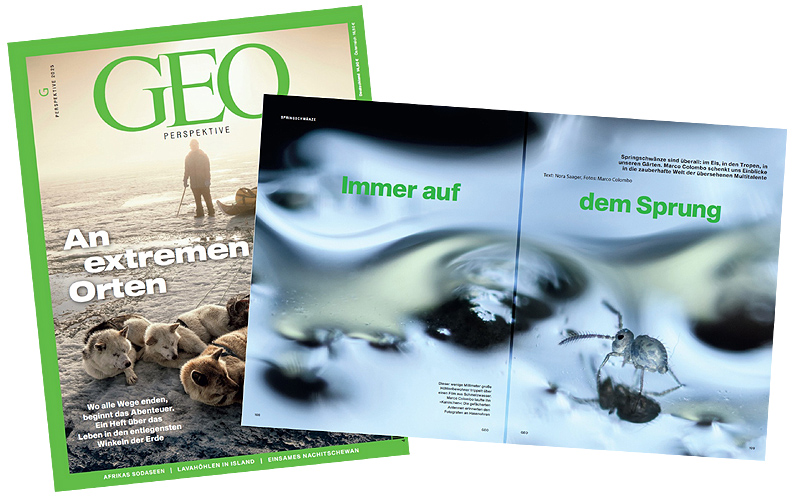
SAAGER, N. (text) & M. COLOMBO (photos). 2025. Immer auf dem Sprung. GEO Perspektive, special issue, 108-121. [springtails]
COLOMBO, M. 2025. La microscopica moltitudine. Focus Wild, 173: 22-29. [springtails]
COLOMBO, M. 2025. I superpoteri delle renne. Focus Wild, 174: 32-39. [reindeer]
COLOMBO, M. 2025. L’imperatore dei ghiacci. Focus Wild, 175: 24-31. [emperor penguins]
COLOMBO, M. 2026. L’antico abitante delle paludi. Focus Wild, 176: 24-31. [alligator]
COLOMBO, M. & F. TOMASINELLI. 2026. Claws: The Crab, The Lobster and The Shrimp (illustrazioni di G.De Amicis). Princeton Architectural Press, 128 pp.
- FORMIS, P. & M. COLOMBO. 2026. Fotografia subacquea: tecniche e strumenti per ritrarre il mondo sotto la superficie dell’acqua. Apogeo (Feltrinelli) Editore, 240 pp.
COLOMBO, M. & F.TOMASINELLI. 2026. Scaglie: piccolo catalogo di pesci d’acqua dolce (illustrazioni di G.De Amicis). Nomos Edizioni, 112 pp.
- COLOMBO, M. 2026. Una rondine (non) fa primavera. Focus Wild, 178: 32-39. [barn swallow]
COLOMBO, M. 2026. Il gigante Golia. Focus Wild, 180: 32-45. (goliath beetles)